Welcome to
Wattie Cottage and Scott Cottage, on the banks of Loch Katrine
Stunning Trossachs Lochside Cottages
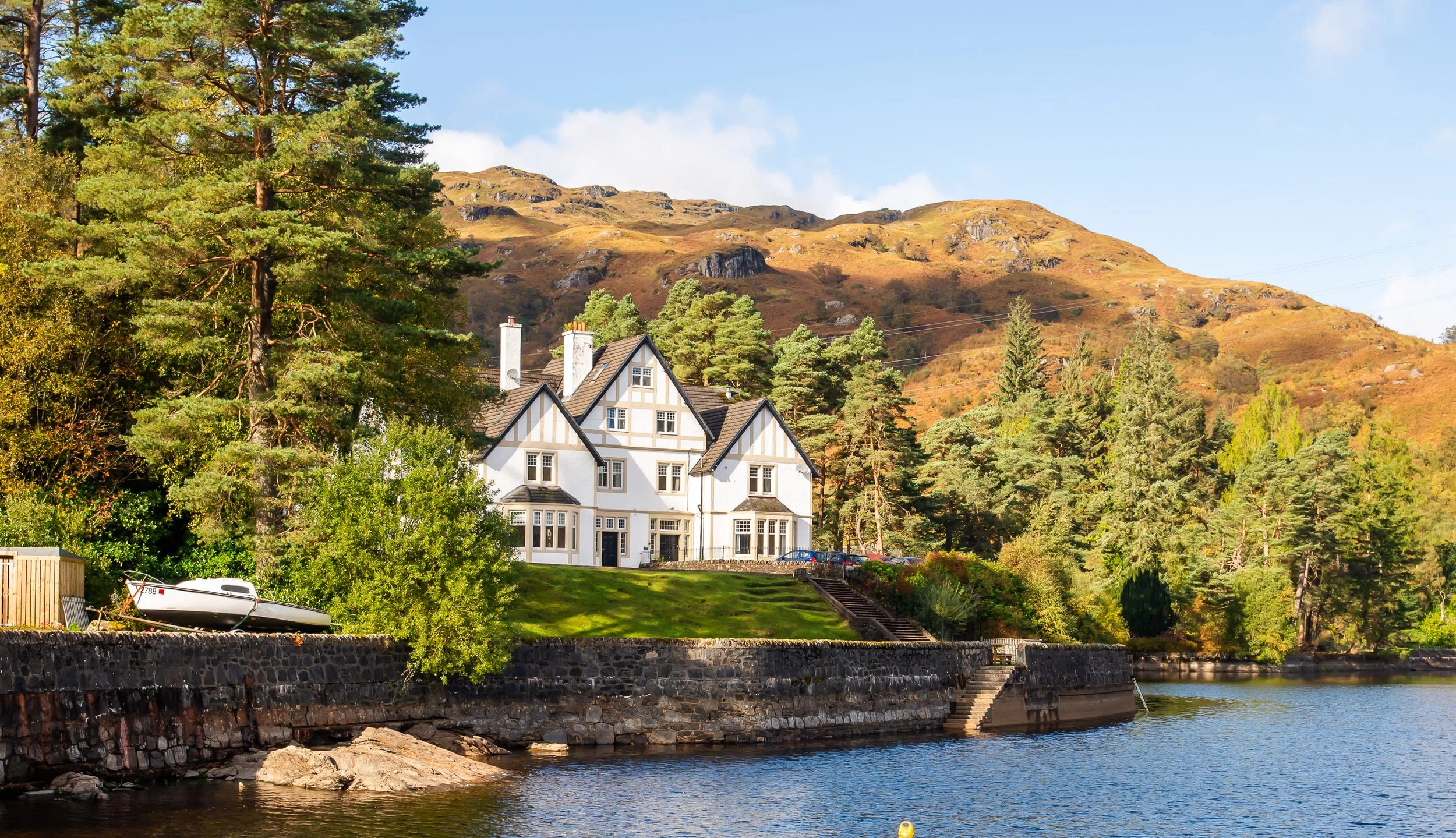
At the western end of Loch Katrine, just a short walk from the pier, stand Scott Cottage and Wattie Cottage.
The road narrows through forest and finishes at the water. At Stronachlachar there is only the loch, the hills and a small cluster of historic buildings facing east across eleven miles of open water, we are immersed in the Great Trossachs Forest.
The cottages sit approximately thirty metres from the shore. Step outside and the loch is immediately present. It is peaceful without being isolated. Open without feeling exposed.
This is Stronachlachar. A rare place to stay.
Character, Comfort and Thoughtful Detail
Scott Cottage offers three bedrooms and two bathrooms, including a heritage rolltop bath upstairs. Wattie Cottage provides four double bedrooms and three bathrooms, with one bedroom and shower room on the ground floor.
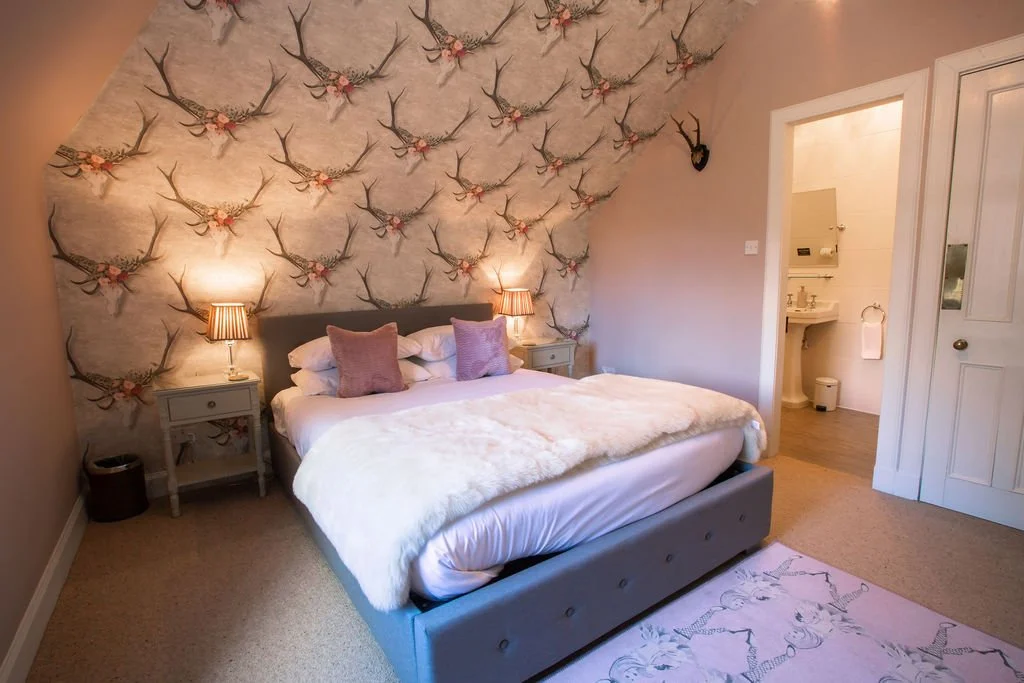
Both cottages are generously proportioned and carefully furnished. Original features remain, including an Arts and Crafts tiled fireplace in Wattie Cottage. Wood burners create warmth in the evenings. Interiors are layered and individual rather than uniform. These are cottages with personality.
Kitchens are fully equipped and designed for proper use, not occasional self-catering. Ovens, dishwashers, refrigeration and full crockery are provided, allowing guests to cook comfortably during their stay.
Living rooms are arranged around the fire and the view. Bedrooms are restful and well positioned. Windows frame water or woodland. You wake to the loch.
Guests frequently describe the cottages as beautifully presented, exceptionally well equipped and one of the most peaceful places they have stayed.


Steamship, Forest and Dark Skies
From late March to early October, the historic Steamship Sir Walter Scott, launched here in 1900 after being transported north in sections and hauled overland by horse, sails between Stronachlachar and Trossachs Pier, arriving twice daily at 11.30am and 3.30pm
The Lodge sits within the Great Trossachs Forest, a 200-year woodland restoration project covering an area larger than Greater Glasgow. Red squirrels move through the trees. Ospreys fish on the loch. Pine martens have returned.
At night, there are no streetlights. On clear evenings, the stars are sharp and abundant, reflected faintly on still water.
Just a few miles away lies the RSPB Inversnaid Reserve on Loch Lomond. Ancient Atlantic oak woodland and waterfalls can be reached by a short drive or a longer walk.
Loch Katrine, Scotland’s Most Historic Loch
Loch Katrine is eleven miles long and more than 540 feet deep. Since 1859, it has supplied fresh water to Glasgow via a 23.5-mile gravity-fed aqueduct system opened by Queen Victoria, who arrived here by steamer for the ceremony. The water still travels fourteen hours by gravity alone to the city.
In the late seventeenth century, the outlaw and clan chief Rob Roy MacGregor, born across the loch at Glengyle, imprisoned the Duke of Montrose’s estate factor on the island during a dispute over land rents. When the loch’s level was raised for the waterworks, the island became smaller than it had been in Rob Roy’s lifetime. It remains clearly visible from the house.
In 1810, Sir Walter Scott published The Lady of the Lake, set at Loch Katrine. It sold 25,000 copies within eight months and transformed this landscape into the birthplace of Scottish tourism. Visitors arrived by rail and steamship as part of the celebrated Trossachs Tour, formalised by Thomas Cook. They disembarked at Stronachlachar and continued by horse-drawn carriage to Loch Lomond.
You are staying within that fascinating and unrivalled historical landscape.
At the Heart of the Trossachs
Aberfoyle is eleven miles away, around twenty-five minutes by car, with cafés, a Co-op supermarket, gift shops, gravel bike trails, and cycle hire.
Callander, Stirling Castle, the National Wallace Monument, Doune Castle, Deanston Distillery, Blair Drummond Safari Park, The Kelpies and The Falkirk Wheel are all within easy reach.
You can explore widely across the Trossachs and Central Scotland.
Or you can stay by the water and let the days unfold at their own pace, in Scotland’s first National Park.